Omikuji
Kuyo
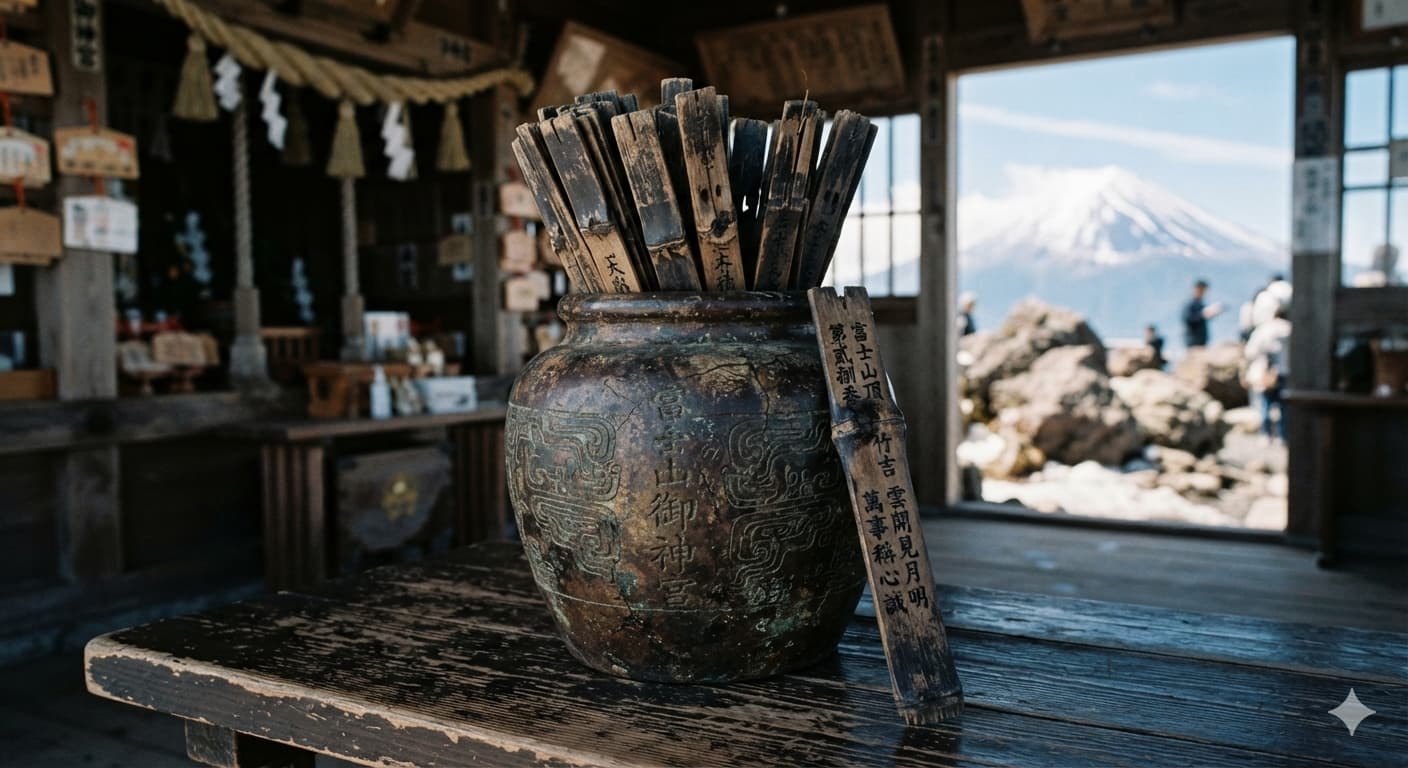
Summit of Mt. Fuji
When the Clouds Part, Draw an Omikuji
Legend says a shrine appears atop Mt. Fuji only in the brief moment the clouds part — Mt. Fuji Gohshingu. Only those with a bond to it can find the way there. Today, that shrine sends one omikuji fortune to you.
Read the legend of Mt. Fuji Gohshingu →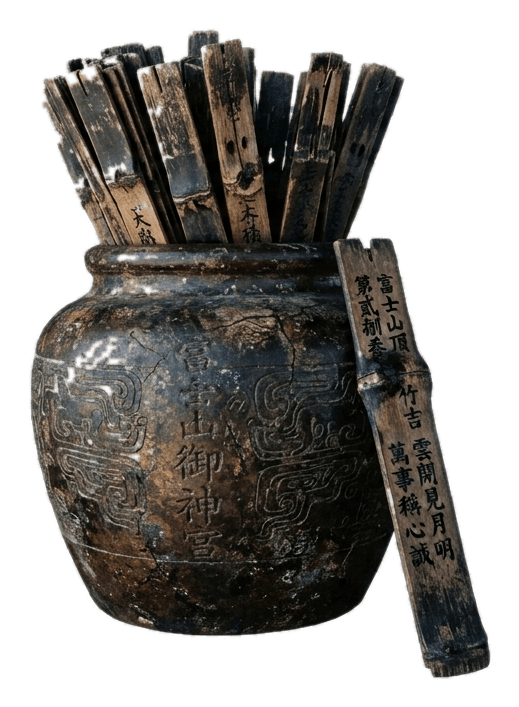
Take a quiet breath, and shake the jar
So far, 12,847 wishes have been tied here
Fortune Collection
0/33 collected
New Year Special
0/3
Obon Special
0/3
Spring Equinox Special
0/3
Autumn Equinox Special
0/3
Make a Wish
Make an Offering
If this omikuji brought you a little peace of mind, you're welcome to leave an offering as a gesture of thanks.
Distance fades. Remembrance stays.
Draw a fortune at Mt. Fuji Gohshingu, or light a candle for someone you carry with you. Kuyo is where both kinds of prayer meet.
Omikuji Column
What Is Omikuji?
A Japanese tradition of prayer, a thousand years in the making
Origins
The history of omikuji is said to stretch back roughly a thousand years. It began as a way of consulting the will of the gods to decide matters of state or choose a successor. Over time its role shifted, and today it's cherished as a way to divine personal fortune — covering everything from health and work to love, study, and travel.
How to Draw One, and the Cost
At most shrines and temples, you shake a tube filled with numbered sticks and receive the paper slip matching the number you draw. It typically costs between 100 and 200 yen. In recent years, unique dispensers have appeared too — like the lion-dance robot at Kyoto's Nishiki Tenmangu, or machines shaped like lucky cats and pigeons.
Reading the Fortune Levels
Fortunes are usually ranked, from best to worst: Great Blessing, Blessing, Middle Blessing, Small Blessing, and Curse. Even if you draw a Curse, there's no need to despair — most omikuji include advice for turning your luck around.
What to Do After Drawing
Many people take a good fortune home to keep as a charm. If the result isn't so favorable, it's customary to tie the slip to a tree branch or designated spot within the shrine grounds — leaving the bad luck behind and walking away lighter.
The omikuji of Mt. Fuji Gohshingu follow this same custom. Try drawing an omikuji →
📖 Read Stories
View all →Why We Brought This Legend Online
Drawing a fortune slip shouldn't require being in the right country. This word-of-mouth legend now has a full home online, for the first time.
The Legend of Mt. Fuji Gohshingu: Takekichi's Story
A pilgrim who saw a shrine in a gap in the clouds.
The White Heron: Who Delivers Your Fortune
From the shrine to your hands, how does the fortune actually arrive?

Remembering Across Distance: Digital Memorials in Modern Times
When geography separates us from those we cherish, memory connects us.
The Power of Shared Memories
When memories are shared, loss becomes connection.
Creating a Digital Legacy
What we leave behind is more than just memories—it's a digital echo of our existence.


